Back to home

News

Papers, seminars and milestones.

PhD life · · 2 min read

It's the end of an era: my PhD is conferred

I received my testamur, officially conferring my Doctor of Philosophy from the University of Melbourne. My thesis explored how generative AI shapes the way designers think, ideate and create.
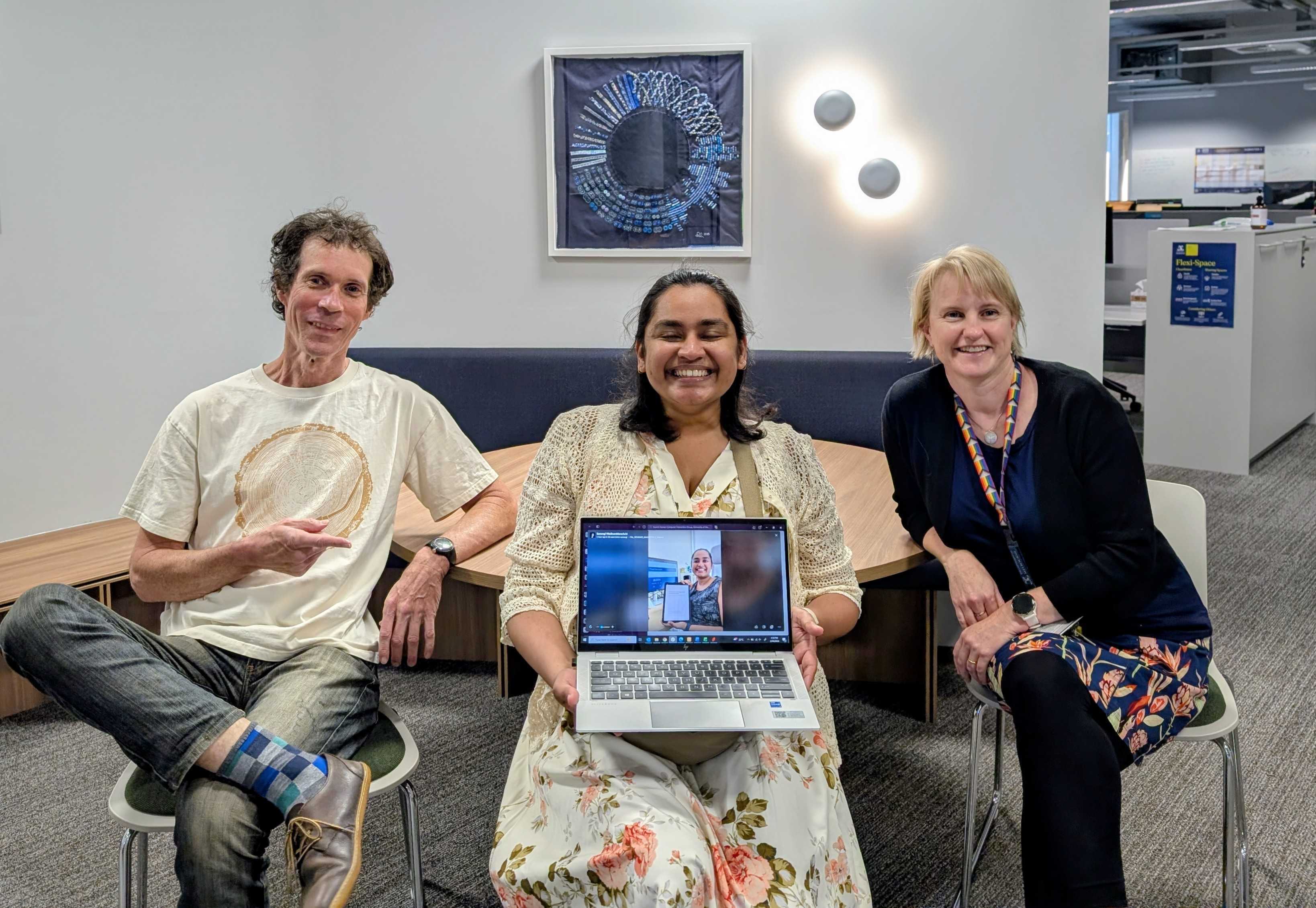
Samangi smiling in the middle of two supervisors, holding a laptop that shows a photo of the PhD testamur
Read moreShow less

I received my testamur, officially conferring my Doctor of Philosophy from the University of Melbourne. My thesis, AI-powered Creativity Support Tools in Visual Design Work, explored how generative AI shapes the way designers think, ideate and create. Find my thesis.

This journey taught me far more than research. It taught me to face challenges, to fall, to get back up, and to try again. Along the way, I was fortunate to:

  • Publish four first-authored papers at CHI '24, OzCHI '25, Creativity & Cognition '26 and the International Journal of Human-Computer Studies (IJHCS).
  • Be supported by a full Melbourne Research Scholarship, along with travel grants that opened many doors.
  • Receive the Rowden White Scholarship and the Diane Lemaire Scholarship.
  • See my research cited over 430 times, including 420+ citations for my CHI 2024 paper on generative AI and design fixation.
  • Win Best Poster at the CIS Doctoral Colloquium and Third Place at the FEIT Graduate Research Showcase Poster Competition.
  • Complete a six-week research stay at the UCL Interaction Centre under the supervision of Prof. Yvonne Rogers.
  • Be invited to the Dagstuhl Seminar on Augmenting Human Creativity with AI at Schloss Dagstuhl.
  • Visit TU Delft and Aarhus University, where I met many inspiring researchers and colleagues with whom I continue to collaborate.
  • Co-organise the workshop Mapping the Landscape of AI in Design and Creative Education at ACM Creativity & Cognition 2026 in London.

None of this would have been possible without my supervisors, Dr Greg Wadley and Prof. Jenny Waycott. Through every setback and every breakthrough, you offered encouragement when I needed it most and guidance when the path was unclear. Thank you for believing in me, even when I struggled to believe in myself.

Thank you, Prof. Eduardo Velloso and A/Prof. Ryan Kelly, for guiding me through the first year of my PhD and helping lay the foundations of this work, including our CHI 2024 paper.

To my husband, my family and my friends: thank you for standing beside me through every moment, celebrating the days of joy and carrying me through the darkest ones. And to everyone, near and far, who helped make this journey possible: thank you.

Onwards to a new chapter. I don't know where it leads yet, but I'm ready.
Paper · C&C '26 · · 1 min read

New paper: Reviving Reflection-in-Action

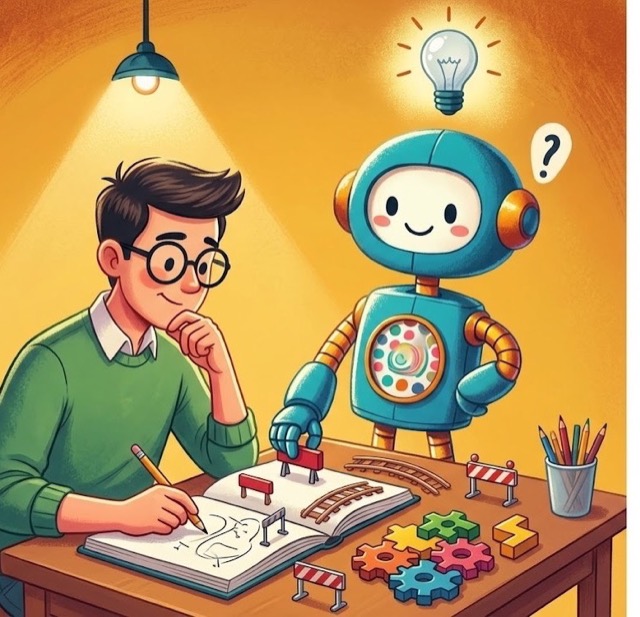
We built SketchifAI, a prototype AI creativity support tool, to see how sketching changes designer–AI interaction. Sketching tended to boost fluency, yet participants still preferred text prompting.

Illustration of a designer sketching in a notebook while a friendly AI robot looks on with a lightbulb above its head, surrounded by small barriers and puzzle pieces
Read moreShow less

Published at C&C '26: the 2026 Conference on Creativity and Cognition, London, UK. Authors: Samangi Wadinambiarachchi, Jenny Waycott, Greg Wadley.

We built SketchifAI, a prototype AI creativity support tool, and evaluated it with design students to see how text, sketch and sketch-plus-tags prompting affect expressing intent, creativity support and divergent thinking. Sketching tended to boost fluency, yet participants strongly preferred text.

Read the paper

Workshop · C&C '26 · · 1 min read

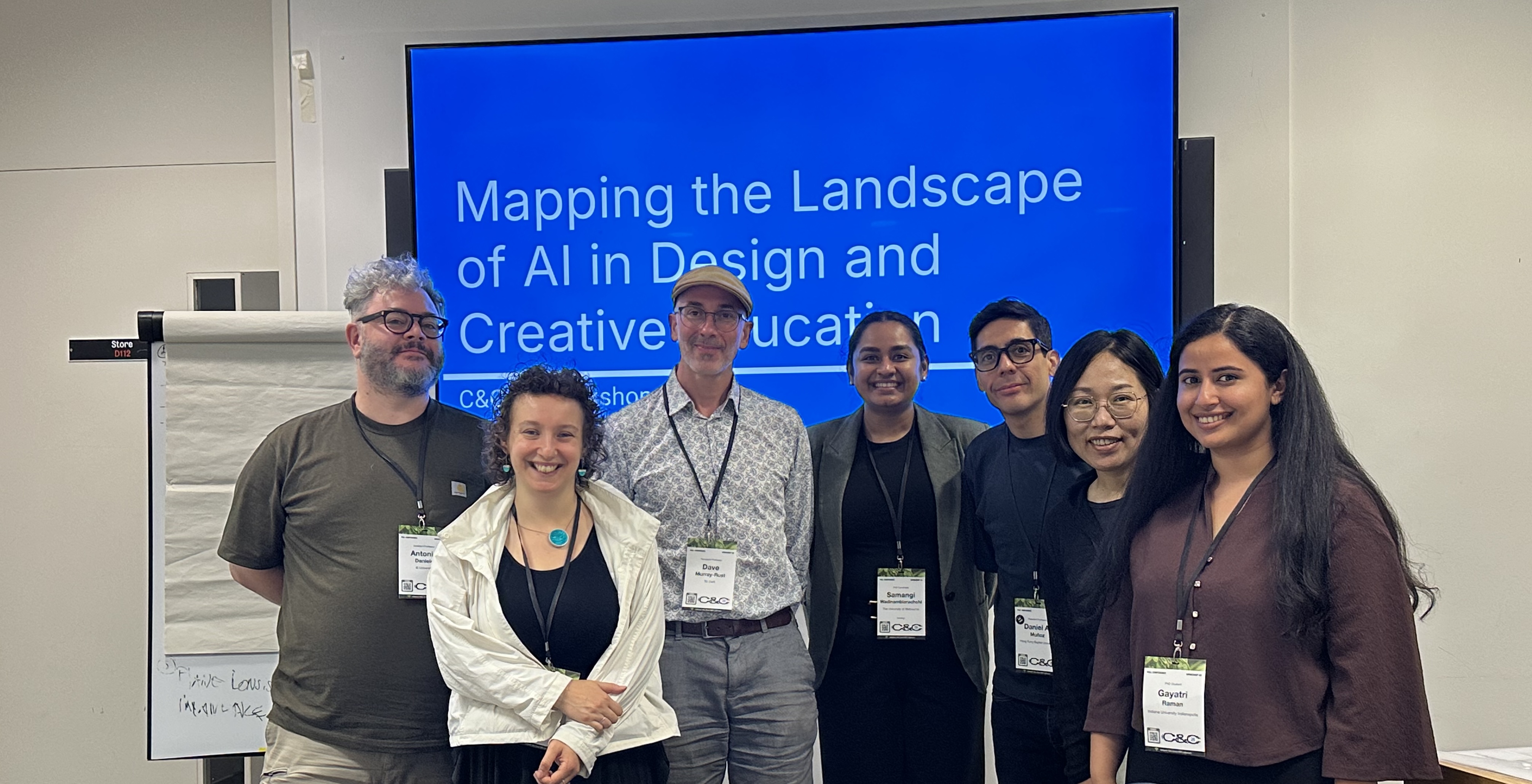
I co-organised the workshop Mapping the Landscape of AI in Design and Creative Education

I kicked off ACM Creativity & Cognition 2026 in London by co-organising a workshop on AI in design and creative education.

Seven workshop organisers and participants standing together in front of a screen titled Mapping the Landscape of AI in Design and Creative Education
Read moreShow less

I kicked off the ACM Creativity & Cognition 2026 conference in London by co-organising this workshop with Heekyoung Jung, Dave Murray-Rust, Tilman Dingler, Abdallah El Ali, Graham Dove and Maria Luce Lupetti.

It was a session full of brilliant ideas, thoughtful contributions and excellent provocations about where our field is heading, and we found many seeds that could grow into new research directions. Thank you to Clara Kliman-Silver for her insights on AI Fluency in UX Research and Product Design, to Alfredo Ruiz for walking us through the Adobe AI Studio and Creative Ecosystem, and to all our participants.

Paper · International Journal of Human-Computer Studies · 1 min read

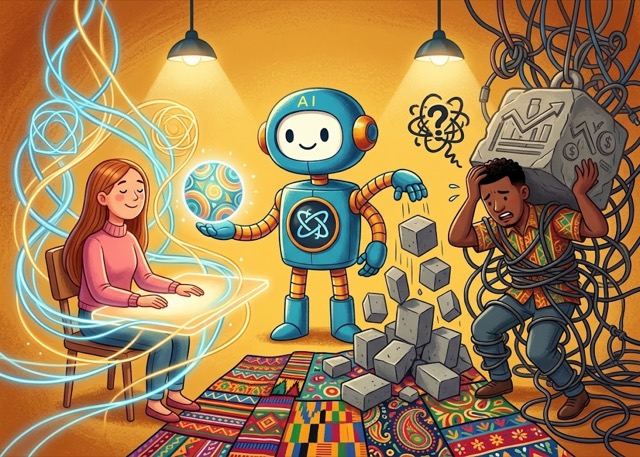
New paper: Asymmetric encounters with AI

Interviews with 20 professional designers across the Global North and South reveal how generative AI scaffolds creative work while flattening situated cultural expression.

Illustration of an AI robot offering a glowing idea to a calm designer on one side while dropping a heavy block on a tangled, struggling designer on the other
Read moreShow less

Authors: Samangi Wadinambiarachchi, Jenny Waycott, Greg Wadley.

Interviews with 20 professional UX, UI and graphic designers across the Global North and South reveal how generative AI scaffolds creative work while flattening situated cultural expression.

Read the paper

Music · · 1 min read

I wrote a song to mark my thesis submission

Marking the moment of my PhD submission, this song is my way of putting into words what the journey felt like: the solitude, the doubt, and the quiet determination to keep going.

Read moreShow less

Marking the moment of my PhD submission, this song is my way of putting into words what the journey felt like: the solitude, the doubt, and the quiet determination to keep going. I couldn't wait for a proper production, so I recorded this rough guide at home: just me, my guitar, and a few basic chords on the same setup I used to write my thesis.

Listen on the Music page

PhD life · · 1 min read

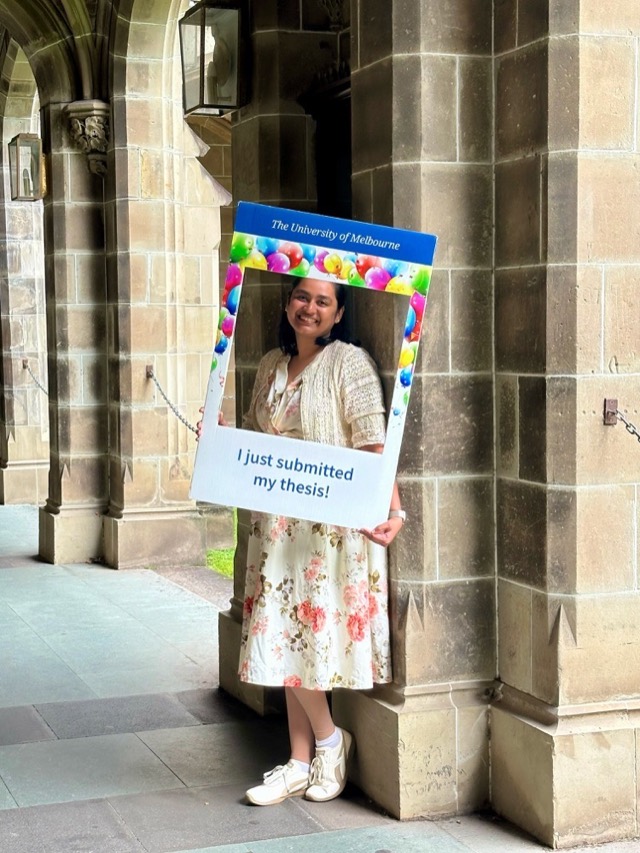
I submitted my PhD thesis

In the first week of April 2026, I submitted my PhD thesis, marking the end of a deeply transformative journey at the University of Melbourne.

Samangi Wadinambiarachchi on the day of thesis submission
Read moreShow less

In the first week of April 2026, I submitted my PhD thesis, AI-powered Creativity Support Tools in Visual Design Work, marking the end of a deeply transformative journey at the University of Melbourne and the beginning of an exciting new chapter. This research sits at the intersection of artificial intelligence and design practice, exploring how AI-powered tools can support and enhance the creative processes of visual designers. I approach this topic with a critical and unbiased lens, neither celebrating AI as a revolution nor dismissing it as a threat, but asking the harder, more honest questions: how do designers truly think, create, and innovate? And where does AI genuinely help, and where does it fall short?

Over the course of my PhD, I have tried to let the evidence speak: sitting with complexity, resisting easy conclusions, and keeping the designer's experience at the centre of it all.

Reaching this milestone would not have been possible without the guidance of my supervisors Dr. Greg Wadley and Prof. Jenny Waycott and my former supervisors Prof. Eduardo Velloso and Dr. Ryan Kelly, the support of my academic community, and most of all the resilience I discovered within myself along the way.

Paper · OzCHI 2025 · · 1 min read

Our newest paper: Imagining Design Workflows in Agentic AI Futures

Published at OzCHI '25. As designers become familiar with generative AI, agentic AI systems promise to perform tasks autonomously, raising new questions for design workflows.

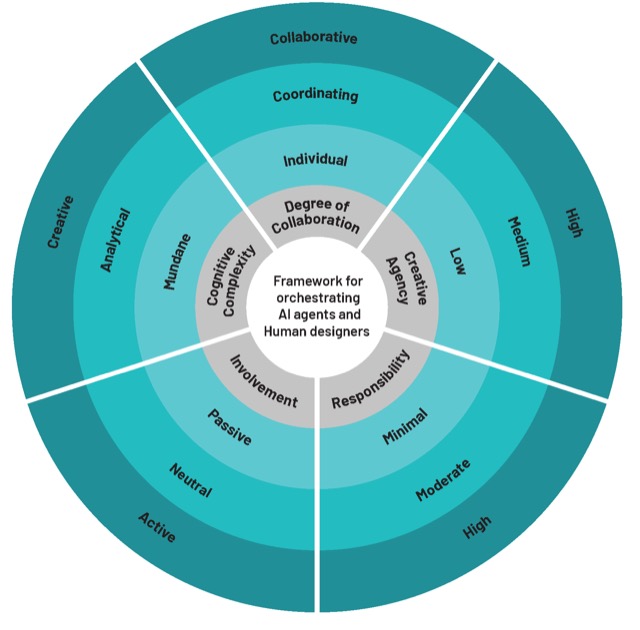
Conceptual framework showing how authority is distributed between designers and AI agents
Read moreShow less

Published at OzCHI '25, the 37th Australian Conference on Human-Computer Interaction. Authors: Samangi Wadinambiarachchi, Jenny Waycott, Yvonne Rogers, Greg Wadley.

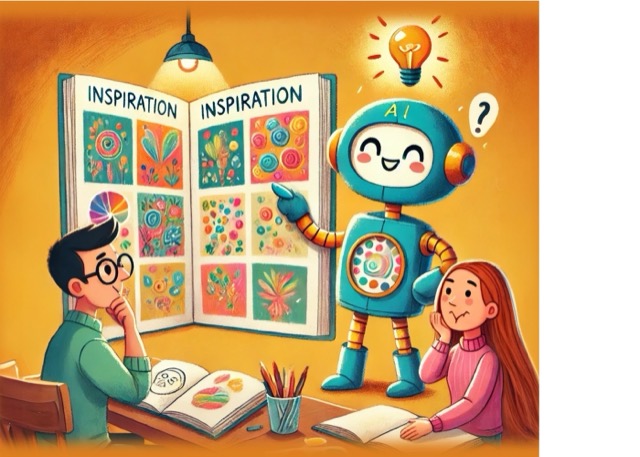
As designers become familiar with generative AI, a new concept is emerging: agentic AI. While generative AI produces output in response to prompts, agentic AI systems promise to perform mundane tasks autonomously, potentially freeing designers to focus on what they love: being creative. But how do designers feel about integrating agentic AI systems into their workflows? Through design fiction, we investigated how designers want to interact with a collaborative agentic AI platform. Ten professional designers imagined and discussed collaborating with an AI agent to organise inspiration sources and ideate. Our findings highlight the roles AI agents can play in supporting designers, the division of authority between humans and AI, and how designers' intent can be explained to AI agents beyond prompts. We synthesise our findings into a conceptual framework that identifies authority distribution among humans and AI agents and discuss directions for utilising AI agents in future design workflows.

Read the paper

Seminar · · 1 min read

I attended Dagstuhl Seminar: Augmenting Human Creativity with AI

I attended the “Augmenting Human Creativity with AI” seminar at Schloss Dagstuhl, Germany, a renowned venue for discussing emerging research topics.

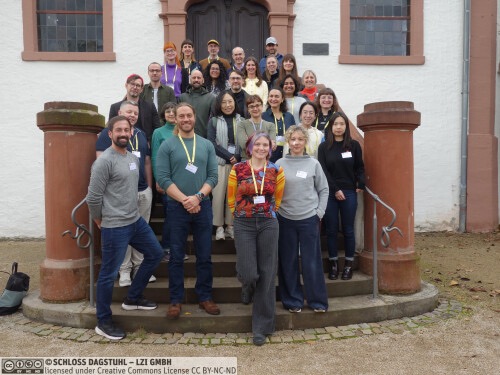
Participants of the Dagstuhl Seminar
Read moreShow less

I attended the "Augmenting Human Creativity with AI" seminar at Schloss Dagstuhl, Germany, a renowned location for computer scientists to discuss emerging research topics. Being surrounded by many HCI experts working on creativity and design was wonderful. To be part of the illuminating discussions around AI in creativity and design, the current state of the art, the challenges, and the way forward was inspiring.

Paper · CHI 2024 · · 1 min read

The effects of Generative AI on design fixation and divergent thinking

In an experiment with 60 participants, using an AI image generator during ideation led to higher fixation on an initial example, and fewer, less varied ideas.

Study design of the design fixation experiment
Read moreShow less

Authors: Samangi Wadinambiarachchi, Ryan M. Kelly, Saumya Pareek, Qiushi Zhou, Eduardo Velloso.

Generative AI systems have been heralded as tools for augmenting human creativity and inspiring divergent thinking, though with little empirical evidence for these claims. This paper explores the effects of exposure to AI-generated images on measures of design fixation and divergent thinking in a visual ideation task. Through a between-participants experiment (N=60), we found that support from an AI image generator during ideation leads to higher fixation on an initial example. Participants who used AI produced fewer ideas, with less variety and lower originality compared to a baseline. Our qualitative analysis suggests that the effectiveness of co-ideation with AI rests on participants' chosen approach to prompt creation and on the strategies used by participants to generate ideas in response to the AI's suggestions. We discuss opportunities for designing generative AI systems for ideation support and incorporating these AI tools into ideation workflows.

DOI · PDF